
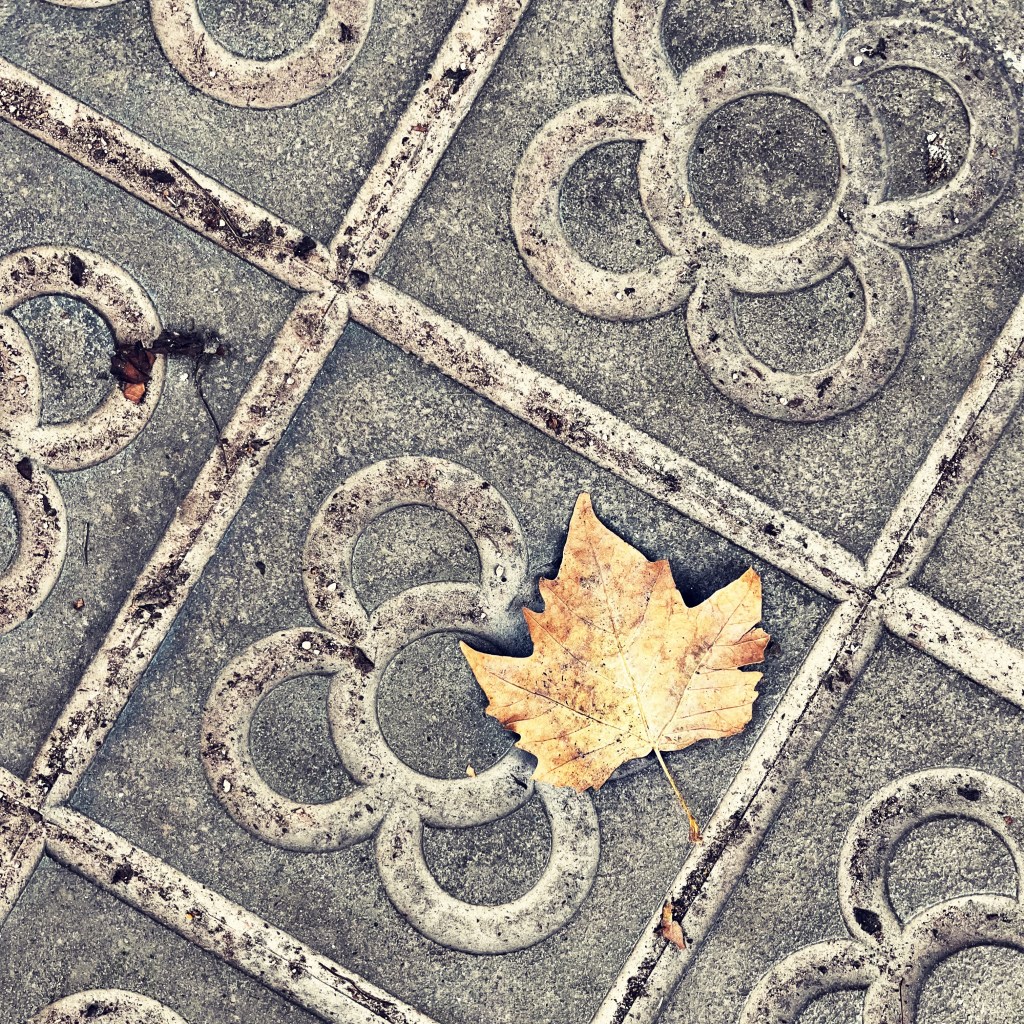
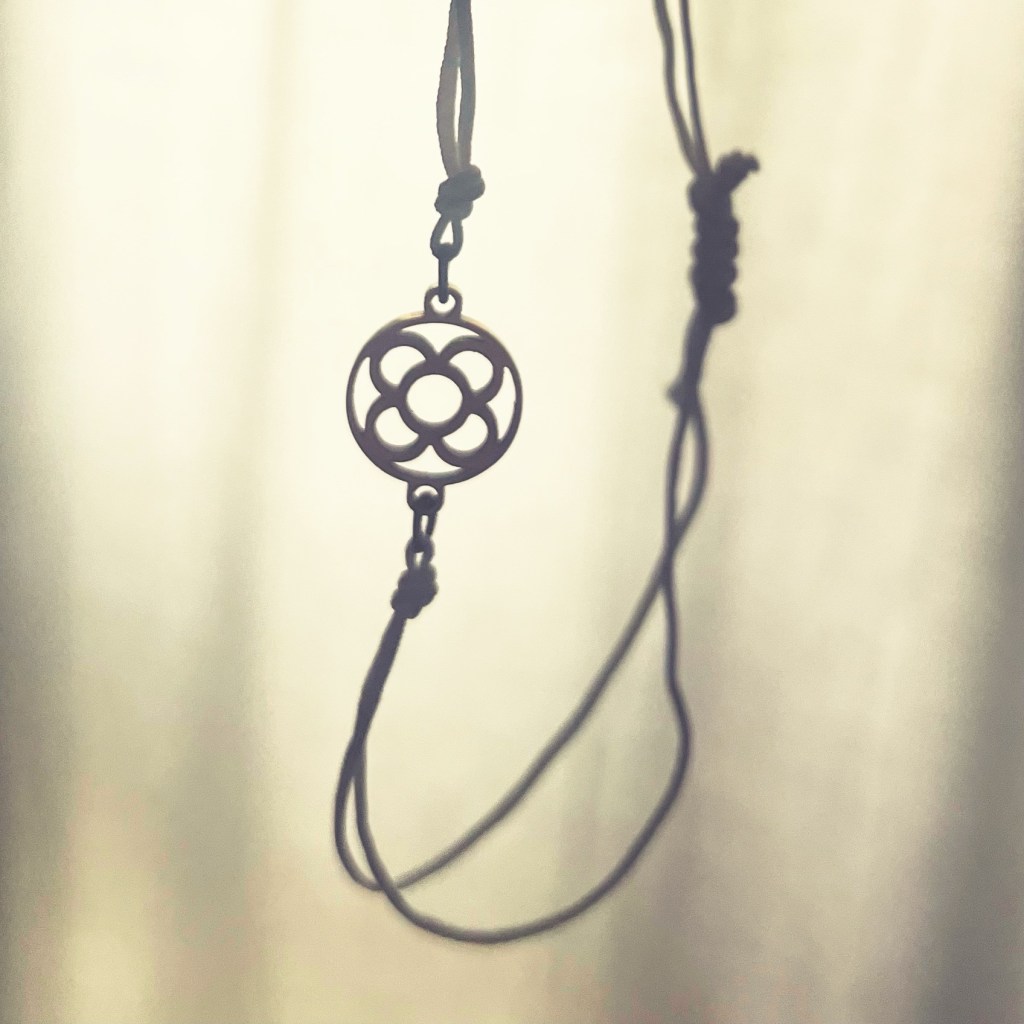
Desde que llegué a Barcelona, he estado obsesionada con los adoquines de las calles decorados con un símbolo muy distintivo. ¿Cuál es este símbolo? El logo que he creado para este blog está basado en el símbolo que verás en cada calle de Barcelona: el “panot”.
Con curiosidad, empecé leyendo sobre el origen del símbolo y lo verdad es que no hay tanto información sobre las raíces del diseño, solamente sobre la historia de los adoquines en general.
A principios del siglo XX, para abordar el problema de las calles embarradas, el ayuntamiento de Barcelona optó por la instalación de un nuevo tipo de pavimento en toda la ciudad. Con la participación del público en una votación, se eligieron los ‘panots’: baldosas cuadradas de hormigón, resistentes y de diseño sencillo.
En total, existen cinco diseños, siendo el panot de la rosa el más distintivo. Encontrar evidencia del verdadero origen de la rosa es difícil, pero se ha atribuido a un arquitecto notable, Josep Puig i Cadafalch. Al menos, se cree que la rosa está inspirada en los panots de Casa Ametller, diseñados por Puig i Cadafalch, ya que presentan similitudes con rosas. Me gusta que no haya un diseñador conocido, ya que da la sensación de que la rosa pertenece a la gente de la ciudad sin tener dueño, casi con un origen orgánico.
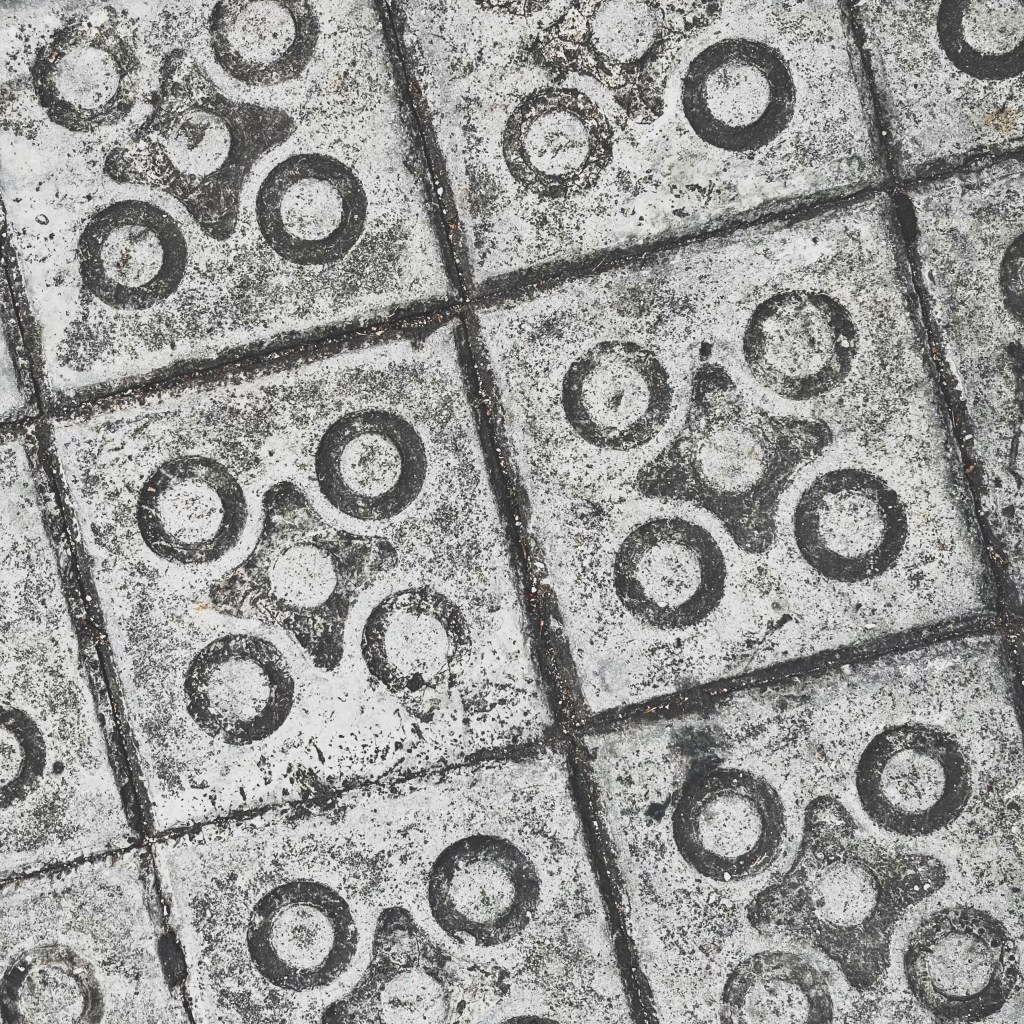
De los otros cuatro diseños, solo hay uno que no he encontrado en las calles.: los círculos concéntricos, el ‘Panot de ensaimada’. Creo que actualmente solo están presentes en una calle de la ciudad, así que mantén los ojos abiertos para descubrir esta pieza oculta de la historia de Barcelona.
//
Since I’ve arrived in Barcelona, I’ve been obsessed with the paving stones on the street decorated with a very distinctive symbol. What’s the symbol? The logo that I created for this blog is based on the design that you will see on every street in Barcelona: the ‘panot’.
At the beginning of the 20th century, to address the issue of muddy streets, the Barcelona City Council decided to install a new type of pavement throughout the city. With the public’s input through a vote, the ‘panots’ were chosen: square concrete tiles, durable and quite simple in design.
In total, there are five designs, but the most distinctive is the rose-patterned panot. Finding evidence of the true origin of the rose design is challenging, but it has been attributed to the notable architect Josep Puig i Cadafalch. At least, it is believed that the rose is inspired by the panots of Casa Ametller, that were designed by Puig i Cadafalch, as they feature similar roses. I like that there isn’t a known designer because it gives the impression that the rose belongs to the people of the city without an owner, with an almost organic origin.
Of the other four designs, there’s only one that I haven’t come across on the streets: the concentric circles, the ‘Panot de ensaimada’. I believe they are currently found on only one street in the city, so keep your eyes open to uncover this hidden piece of Barcelona’s history.
¡Hasta luego! // See ya later!
K




 Barna Encanta